Chlorinated Rubber Pool Paint: Prep and Cure Guide
2026 guide series · Editorial timeline: April 6, 2026. First published October 27, 2026.
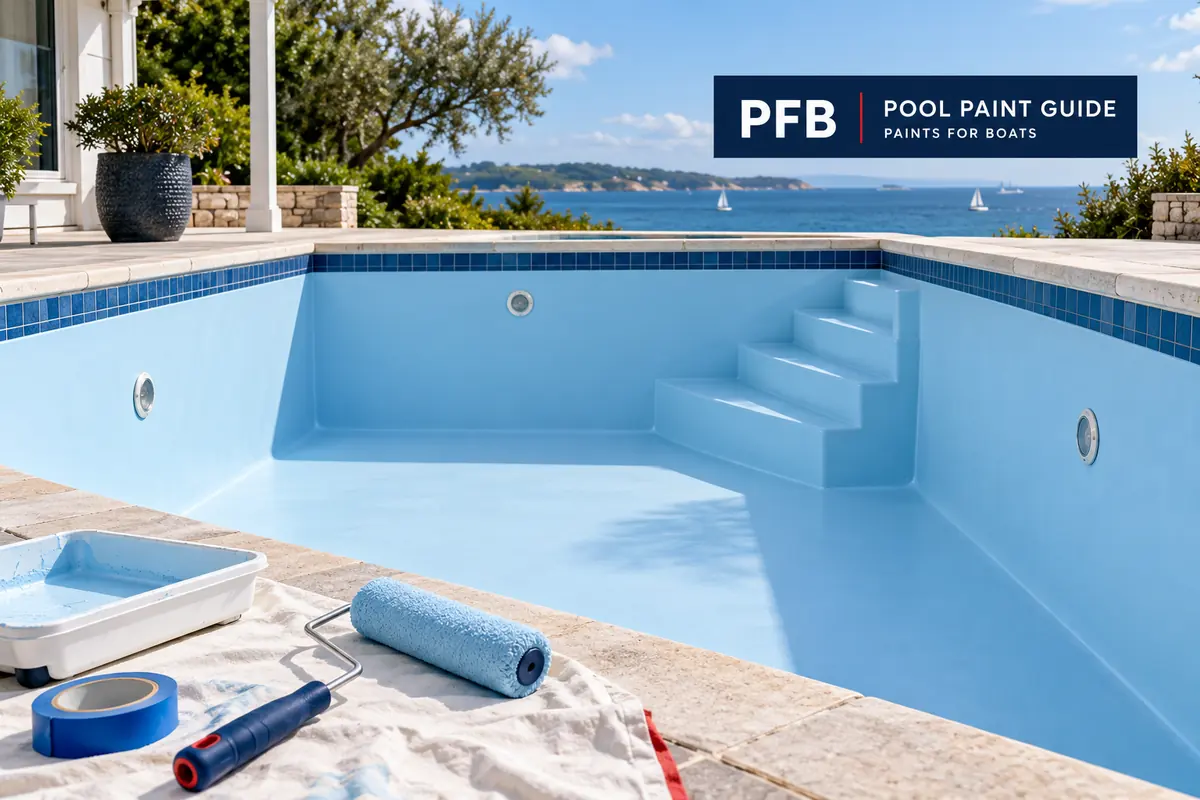
A chlorinated rubber pool paint project needs a plan for the concrete, the old coating, and the period before water returns. Buying enough paint is only one part of that plan. Cleaning, repairs, weather, and the final drying interval all affect the work calendar.
This guide focuses on PFB Pool Coating Chlorinated Rubber, using the Dux Product #650 technical data sheet for product instructions. The sheet describes a chlorinated rubber coating and sealer for new or old concrete pools, including fresh and salt water. Keep that concrete scope in mind when evaluating other pool surfaces. Source: Dux technical data sheet.
Confirm the pool surface before ordering
Record what the pool is made from and what is already on it. A concrete shell, a fiberglass surface, and a tiled area are different coating decisions. The Dux sheet does not establish this product's suitability for fiberglass, tile, hot tubs, or every existing pool finish.
For a painted pool, look for the previous invoice, product name, or maintenance record. Color alone cannot identify a coating. Photograph exposed layers and areas with different repair histories so a supplier can review the whole job.
The Dux instructions discuss cleaning previously painted surfaces, but they do not provide a compatibility chart for epoxy, acrylic, and rubber coatings. Obtain confirmation for the existing system before proceeding. Our chlorinated rubber versus epoxy pool paint comparison explains the selection process.
Before draining an in-ground pool, have the pool professional responsible for it confirm the draining procedure and groundwater conditions. Separate that decision from the paint purchase.
Prepare a clean, dry surface
Walk the empty pool with a notebook. Mark peeling areas, cracks, deposits, and repairs. Resolve the repair method and its readiness for coating before scheduling paint. A checklist prevents a patched step or deep-end repair from becoming a last-minute delay.
Cleaning and concrete preparation
The Dux sheet requires removal of grease, dirt, oil, wax, and other foreign material. Previously painted surfaces receive pool cleaner to remove scum and contamination, followed by a clean-water flush and drying. New concrete requires etching with 10% muriatic acid, thorough rinsing, and drying. Source: Dux surface preparation instructions.
That acid instruction is a product requirement, not a complete acid-handling procedure. Arrange suitable equipment and the cleaner's handling instructions before work begins. Have the applicator confirm how repairs and exposed patches should be treated.
Keep the inspection and cleaning stages separate. Washing should reveal the surface you actually intend to coat. If new peeling or an unfamiliar layer appears, revisit compatibility before opening paint.
The same inspection habit helps diagnose failures elsewhere; our guide to why boat paint peels explains how to organize observations before choosing a remedy.
Calculate area without turning theory into a promise
Measure the interior surfaces receiving paint: floor, walls, steps, benches, and other coated features. Pool water volume does not tell you paint area. For a rectangular pool, sketch each surface separately; record sloping or curved sections rather than treating the waterline rectangle as the whole project.
The Dux sheet lists these theoretical coverage figures:
| Dry film thickness used in the calculation | Theoretical coverage per gallon |
|---|---|
| 1 mil | 532 square feet |
| 2 mils | 266 square feet |
The same sheet marks recommended dry film thickness as N/A. Those figures explain how coverage changes with thickness; they do not establish a prescribed coat thickness or a complete purchasing specification. Source: Dux coverage data.
For illustration, 1,000 square feet divided by 266 equals approximately 3.76 gallons at a theoretical 2-mil dry film. This is arithmetic, not an application recommendation. Confirm the intended coat count, film build, and practical allowance with the supplier before rounding an order.
For a large facility, send measured area and surface photographs through our bulk order inquiry. Include existing coating identification so the quantity discussion starts with an appropriate system.
Schedule application and the return to water
The Dux sheet says to stir thoroughly and apply the coating as supplied. It identifies the product as self-priming. Avoid importing thinning ratios or primer requirements from another brand. Source: Dux mixing and primer instructions.
Use three separate entries on the job calendar:
- Touch dry: the sheet lists 30 minutes.
- Recoat: it lists 12 hours.
- Fill: wait seven days after the final coat.
Touch dry does not authorize filling. If additional coating is required, calculate the filling date from the last coat. Source: Dux dry-time instructions.
The sheet does not specify an application temperature range, humidity limit, coat count, or adjustment for wet weather. Resolve those details with the manufacturer for the actual conditions. Build the calendar around preparation and drying as well as painting.
Keep the label and safety data sheet available during work. Dux identifies flammable liquid and vapor and calls for ventilation during application and drying. Confirm the applicator's equipment and working arrangements before starting. Source: Dux safety information.
Frequently asked questions
How long must chlorinated rubber pool paint dry before filling?
For this product, wait seven days after the final coat. The 30-minute touch-dry and 12-hour recoat times serve different purposes; neither replaces the filling interval.
Does PFB chlorinated rubber pool coating need a primer?
The Dux sheet identifies it as self-priming. Confirm the complete system for the concrete and any old coating before adding a separate primer.
Can I apply this paint over an unknown pool coating?
Identify the old coating and obtain manufacturer confirmation first. Cleaning instructions for a painted surface do not approve every paint chemistry beneath it.
Review PFB Pool Coating Chlorinated Rubber with your measurements, coating history, and proposed schedule ready.
Sources
- Dux Paint: Chlorinated Rubber Pool Paint, Product #650 technical data sheet, used for product scope, preparation, mixing, coverage, primer status, drying, and safety information.
Need to know how much paint to buy?
Start with your boat dimensions, then check coverage and coats against the selected coating's technical sheet.
Use the Paint Calculator →